
What is an Invasive Species and why should I care?
Non-native species that cause harm are collectively known as invasive species. Human activity such as trade, travel and tourism have all increased substantially, increasing the speed and volume of species movement to unprecedented levels. Invasive species are often unintended hitchhikers on cargo and vehicles. Still more species are deliberately introduced as pets, ornamental plants, crops, food, or for recreation, pest control or other purposes.
Most non-native species, including most of our sources of food and fiber, are not harmful; and many are highly beneficial. A small percentage of non-native species cause great harm to the environment, the economy or human health. Invasive species may prey upon, displace or otherwise harm native species. Some invasive species also alter ecosystem processes, transport disease, interfere with crop production, or cause illnesses in animals and humans; affecting both aquatic and terrestrial habitats. For these reasons, invasive species are of national and global concern.
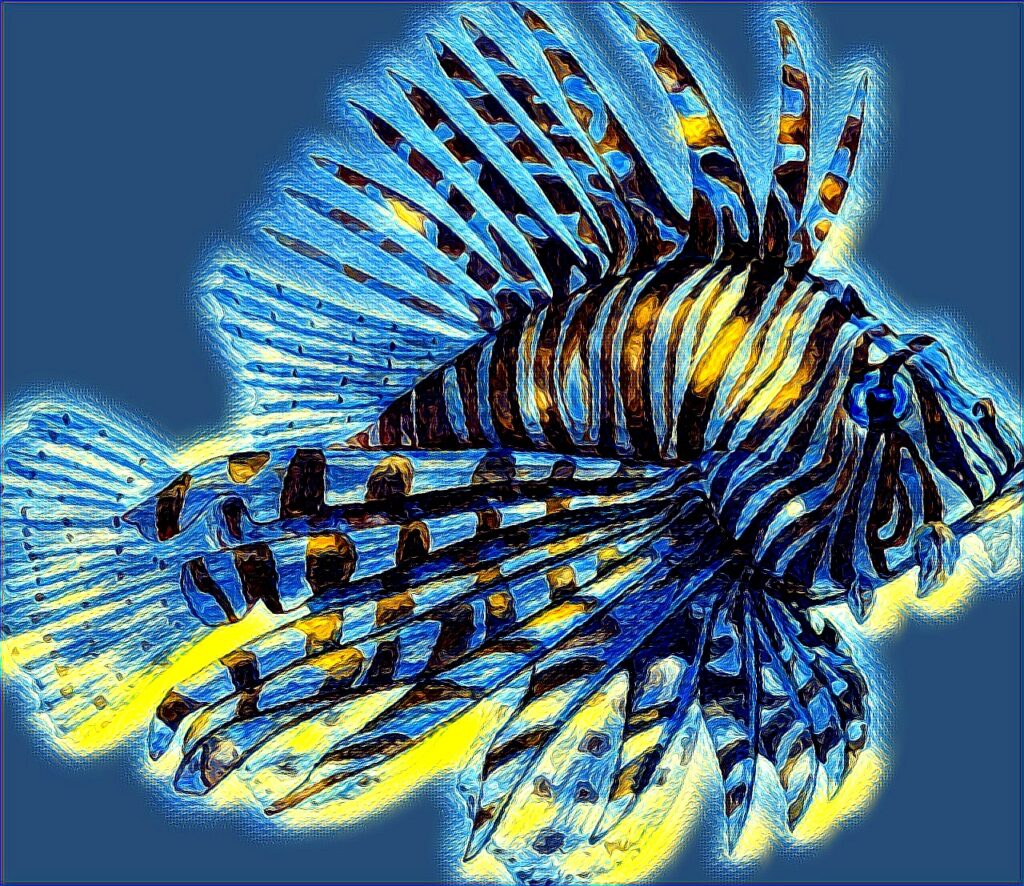
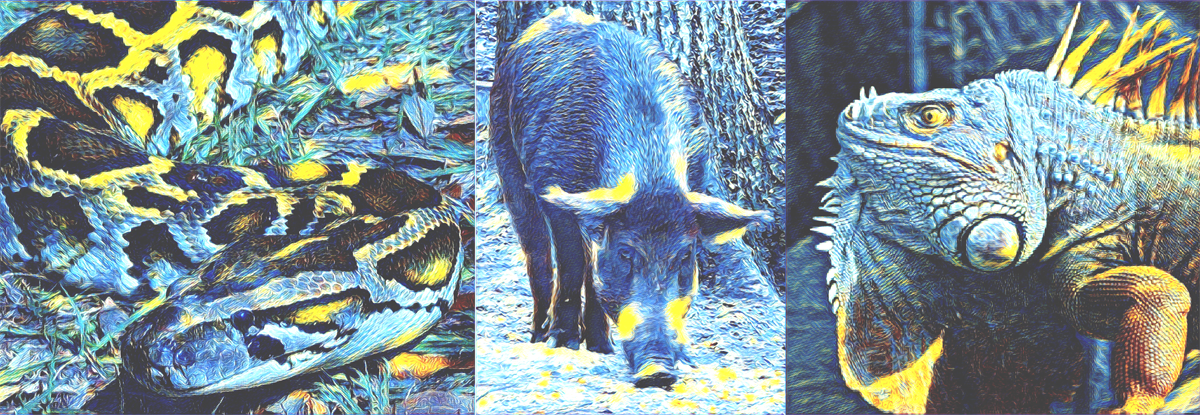
The non-native and invasive species we are focusing on at this time are Feral Hogs, Pythons, Iguanas, and Lionfish. The Feral Hogs are growing exponentially and are responsible for about $1.5 Billion in damages to crops and land. Pythons have found a perfect habitat in the Everglades and South Florida. They are decimating the native small mammal population and are crowding out native reptiles. Lionfish were released in the Florida Keys by an entrepreneur who thought he could create a natural source of a very good fish for his restaurant. Lionfish have crowded out native reef fish and are destroying the local ecosystem. Florida Iguanas are not necessarily competing with other Florida reptiles, but they do carry reptilian diseases and are a nuisance. None of these animals have natural predators for control and are growing well beyond the ability of the ecosystem to support them and native species as well. Our efforts are to find a humane solution to effectively manage these invaders without the need for significant human interaction. We think we have that answer.
Because invasive animals are considered a pest, our solutions must be registered and tested as a pesticide. This adds an additional layer of regulation over and above that which is required of current vaccines and therapies. Red tape means more testing and more cost. We need your help to make our solution a reality.